What if your Folly Field beach home could deliver both great family memories and strong rental income? If you are weighing a second home or already own one on Hilton Head Island, you want a rental that books quickly, earns great reviews, and stays compliant. In this guide, you will learn what guests want, how the island’s rules and taxes really work, and which design choices lift your nightly rate without overspending. Let’s dive in.
Understand demand in Folly Field
Folly Field sits on the north side of Hilton Head Island, close to sandy beaches and easy island amenities. Visitors come for relaxation, beaches, and outdoor experiences, with the busiest window from late spring through early fall. Recent visitor materials from the island’s destination organization highlight that the top trip drivers are beaches and family-friendly experiences, and that most trips happen between May and October. You can review those insights in the Chamber’s visitor profile and marketing resources for added context.
Who books and when
- Families and multi-family groups: These guests dominate summer and often stay a full week. Beaches and family activities are consistent drivers of choice for Hilton Head Island.
- Couples and repeat visitors: Spring and fall shoulder seasons attract romantic or relaxation trips with shorter stays.
- Golf and event travelers: Spring events like the RBC Heritage create concentrated demand and higher rates.
- Weekend and short-break travelers: Fall and winter weekends and holidays can fill gaps, along with occasional long stays.
Seasonality and pricing rhythm
High season typically runs from Memorial Day to Labor Day, with July often the top revenue month. Shoulder seasons stay strong around weekends and events. Winter is quieter, but you can still capture weekend business and longer monthly bookings. Use a 12‑month demand tool to guide minimum stays and owner blocks so you do not miss premium dates. Market snapshots show summer spikes in both average daily rate and occupancy on the island.
Know the rules and taxes first
Before you list a single night, get your compliance plan in place. Folly Field is within the Town of Hilton Head Island, and the Town has clear short‑term rental rules.
Town permit and license
- Permit required: Every residential property rented for less than 30 days needs a Town short‑term rental permit and a business license. The application requires items like your site plan for single‑family homes, advertising that shows your permit/account number, and any required HOA approval. The permit holder or their agent must be available to respond to complaints within one hour. Review the Town’s permit overview to understand the steps and timing.
- Annual fee and display: The Town sets an annual permit fee, and you must list your STR permit/account number on all ads and display materials on site. Large homes may have added fire and safety requirements. Read the Town’s policy details so you can plan upgrades and inspections accordingly.
Helpful links:
Parking, trash, and HOA rules
- Parking: Off‑street, improved parking is required, and each stall must be at least 9 by 18 feet. Your site plan must show parking and trash storage locations. The Town limits visible exterior parking on most single‑family sites, so advertise only what you can provide.
- HOA and condo rules: Many villa regimes and POAs have their own short‑term rental restrictions or approval processes. The Town’s checklist calls for an HOA approval letter when applicable. Always confirm your CC&Rs and bylaws before purchasing with rental in mind. See the Town’s requirements checklist for what to gather.
Reference: STR requirements and HOA approvals
Lodging taxes your guests pay
Short‑term stays on Hilton Head Island carry state and local lodging taxes and fees that are typically collected at checkout:
- State of South Carolina: 5% sales tax plus 2% state accommodations tax on lodging transactions.
- Town of Hilton Head Island: 1% local accommodations tax plus a 2% Beach Preservation Fee dedicated to nourishment and beach programs.
- Beaufort County: 1% Green Space tax on transient lodging.
Combined, many island stays total about 11% in lodging taxes and fees. Review state guidance on accommodations taxes and the Town’s local fee details, and confirm how your platform or manager handles remittance.
Design features that drive bookings
You do not need to overspend to stand out. Focus on features that guests search for and that increase your average daily rate and conversions.
Beach proximity and layout
- Location matters most: Oceanfront or easy beach access consistently commands a premium. Market analytics for Hilton Head Island show higher ADRs for oceanfront and multi‑bedroom homes compared with inland units of the same size.
- Bedrooms and sleeping flexibility: Larger groups pay for extra bedrooms, and three to five bedroom properties on the island capture outsized annual revenue pools. Bunk rooms and flexible bed setups help you accommodate multi‑family groups.
Reference: Hilton Head Island analytics overview and Bedroom count and revenue potential
Outdoor living and beach gear
- Private deck or patio with shade and seating.
- Outdoor shower to keep sand outside and reduce cleaning.
- Secure bike storage and a wagon-friendly path to the boardwalk.
- Stocked beach closet with chairs, umbrellas, and boogie boards.
- Pools and hot tubs can push ADR higher, but they increase insurance, maintenance, and safety requirements. If you add a pool, be sure to meet Town safety and disclosure standards.
Comforts that earn five-star reviews
- Reliable high‑speed Wi‑Fi for remote work and streaming.
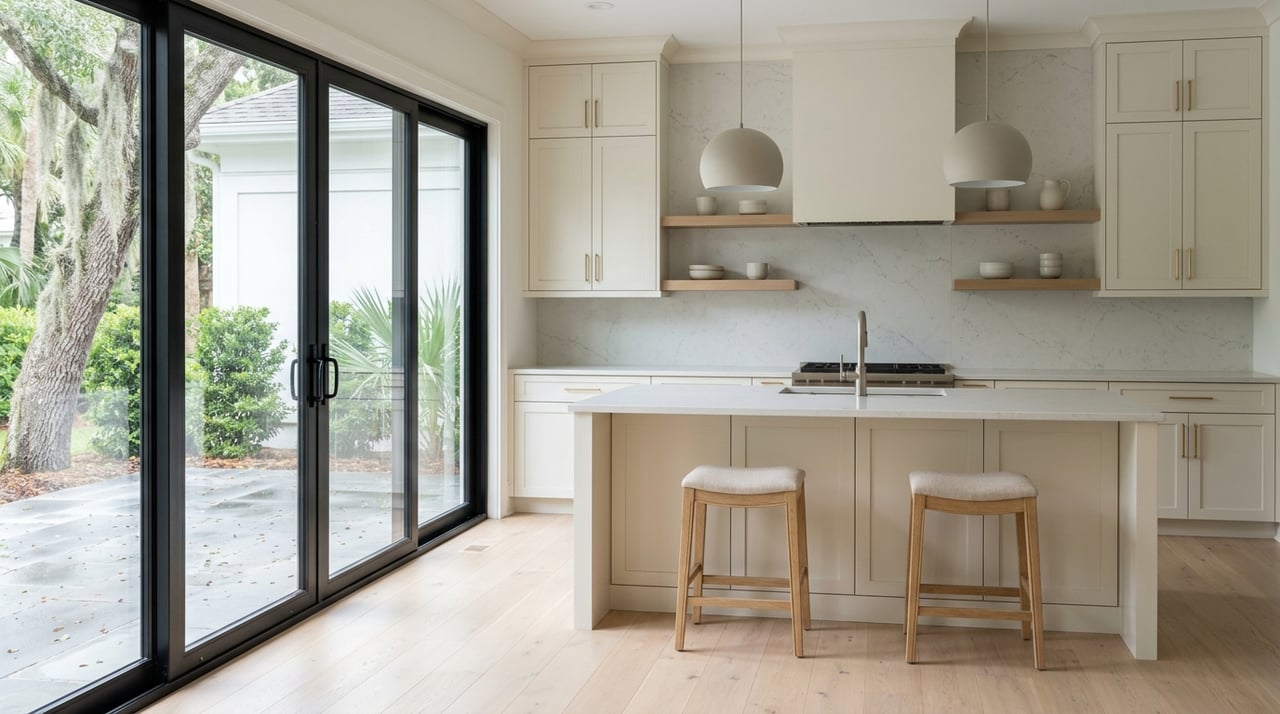
- A well‑equipped, modern kitchen with quality cookware.
- In‑unit washer and dryer.
- Central A/C and ceiling fans.
- Comfortable mattresses, hotel‑quality linens, and blackout shades.
Industry research notes that Wi‑Fi, kitchen quality, and laundry are among the most consistent guest priorities. Reference: STR Data Lab on top guest amenities
Pet‑friendly choices
Pet‑friendly listings capture real demand, but weigh the tradeoffs. Confirm HOA rules and your insurance coverage, budget a higher cleaning standard, and add pet‑specific house rules and supplies. If you choose not to allow pets, make that clear in your listing to reduce inquiries and misbookings.
Upgrade roadmap with ROI
- Fast wins: Fast Wi‑Fi, quality mattresses and linens, kitchen basics, smart lock entry, and crystal‑clear parking instructions. These drive better reviews and reduce friction.
- Medium investments: Refresh the kitchen or baths, add an outdoor shower, upgrade deck furniture and shade, and invest in professional photos and thoughtful listing copy. These changes often lift both ADR and conversion.
- Big projects: Add a private pool or expand living space only after modeling a 5 to 10 year payback. Account for capex, insurance, and safety code implications.
Pricing, income, and availability
You can get a strong starting point from island market snapshots, then refine with true comparable properties in Folly Field.
What performance looks like
Recent market snapshots for Hilton Head show a median ADR in the high 200s to low 300s, occupancy often in the mid 50s to mid 60s percent range, and median annual revenue around the high five figures for typical listings. Airbtics, for example, has reported a median ADR near about 290 dollars, occupancy near about 64 percent, and median annual revenue around 69 thousand dollars. Your results will vary by bedroom count, finish level, and beach proximity, so use property‑level comps to build your pro forma.
Reference: Hilton Head performance snapshot
Balance personal stays with performance
- Peak vs. off‑peak: Blocking peak summer weeks is the costliest decision in revenue terms. If income is your priority, plan owner use in winter or short shoulder‑season windows.
- Use data: Review monthly demand charts to pick the least expensive owner days and set minimum stays that protect your best weekends.
- Tax watch: The IRS treats a dwelling as a home for mixed use if personal use exceeds the greater of 14 days or 10 percent of days rented at fair value. That threshold impacts how you deduct expenses and treat losses. Consult your CPA and plan your calendar with this in mind.
Reference: IRS guidance on mixed‑use homes
Operations, risk, and readiness
Great design and pricing only work if your operations are smooth and your risk is covered.
Management and turnovers
- Property management: Full‑service vacation managers on the island typically charge a percentage of gross rental revenue, plus any marketing, booking, or maintenance pass‑throughs. Collect and compare written fee schedules and service levels from multiple firms so you know exactly what is included.
- Cleaning: Turnover cleaning for beach condos and villas often runs into the low hundreds per stay and is commonly passed through to guests. In peak season, confirm staffing and scheduling well in advance.
Reference: Market operations overview and STR Data Lab on operations and cleaning
Insurance and coastal safety
- Coverage: Many standard homeowners policies exclude short‑term rental activity. You will typically need a dedicated vacation rental policy or endorsement that covers guest liability, guest‑caused damage, and optionally loss of rental income. Platform protections are not a replacement for proper insurance.
- Flood and wind: Check your exact flood zone and discuss NFIP or private flood options with your agent. Build a hurricane plan that covers guest communication, storm prep, and post‑storm inspections.
References: Short‑term rental insurance basics and South Carolina hurricane preparedness overview
Accounting and tax remittance
Sales and accommodations taxes, the Town business license, and permit renewals are part of doing business. Some platforms remit certain state taxes automatically, but you remain responsible for local filings and any taxes they do not remit. Keep clean books, separate owner and rental expenses, and work with a CPA who understands mixed personal and rental use.
Reference: South Carolina accommodations tax guidance
Your Folly Field action plan
- Confirm HOA or condo rules. Secure any required approval letter before you buy or apply.
- Map your compliance: Town STR permit, business license, on‑site postings, and a 24/7 contact who can respond within one hour.
- Finalize parking and trash: Show improved off‑street stalls at least 9 by 18 feet on your site plan and set clear guest rules.
- Budget taxes and fees: Plan for about 11 percent in state and local lodging taxes on top of nightly rate and cleaning.
- Prioritize guest‑winning upgrades: Wi‑Fi, mattresses and linens, kitchen essentials, outdoor shower, and professional photos.
- Model revenue: Use island comps and analytics to build a scenario for your exact bedroom count and beach proximity.
- Set your calendar: Protect peak weeks if income is the goal, or plan owner stays in lower‑demand periods.
- Protect the asset: Secure STR insurance, confirm flood and wind coverage, and build a hurricane‑readiness checklist.
Designing a successful Folly Field beach rental starts with clear rules, smart design, and data‑driven scheduling. If you want a refined, concierge plan for acquisition or pre‑listing improvements tailored to Hilton Head’s resort market, connect with Kelly Ruhlin for a private consultation.
FAQs
What permits do I need to operate a Folly Field short‑term rental?
- You need a Town of Hilton Head Island short‑term rental permit and a Town business license, plus any required HOA approval; you must list your permit/account number on all ads and have a contact who can respond within one hour to complaints.
How much lodging tax will my Hilton Head Island guests pay?
- Many stays total about 11 percent, which reflects 5 percent state sales tax, 2 percent state accommodations tax, 1 percent Town accommodations tax, a 2 percent Beach Preservation Fee, and a 1 percent Beaufort County Green Space tax.
What parking rules apply to Folly Field rentals?
- The Town requires off‑street, improved parking with stalls at least 9 by 18 feet, and your site plan must show parking and trash storage locations; advertise only the spaces you can legally provide.
Which amenities matter most for a Folly Field beach rental?
- Fast Wi‑Fi, quality beds and linens, a well‑equipped kitchen, in‑unit laundry, outdoor shower, and clear beach access typically have the biggest impact on reviews and nightly rate.
How should I schedule personal stays without hurting revenue?
- Keep owner blocks to shoulder or winter periods if income is the priority, and use local demand tools to avoid peak weeks; to preserve tax advantages, watch the IRS 14‑day or 10 percent personal‑use threshold.