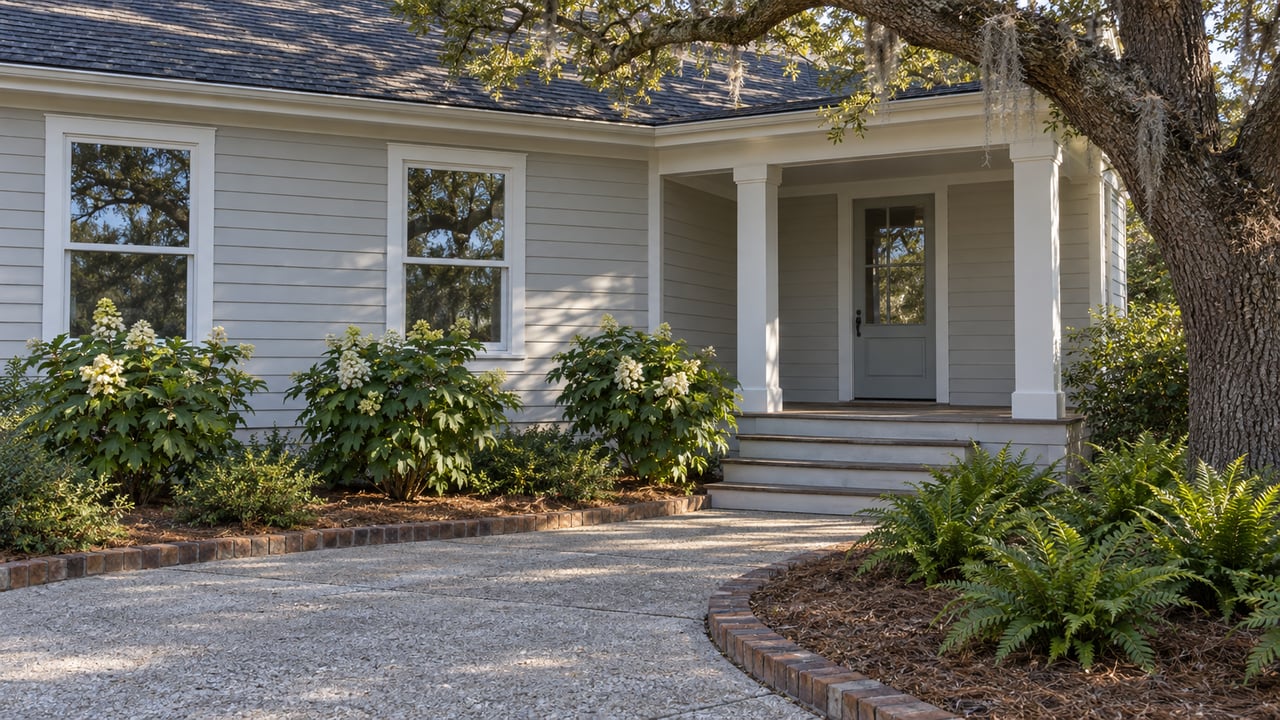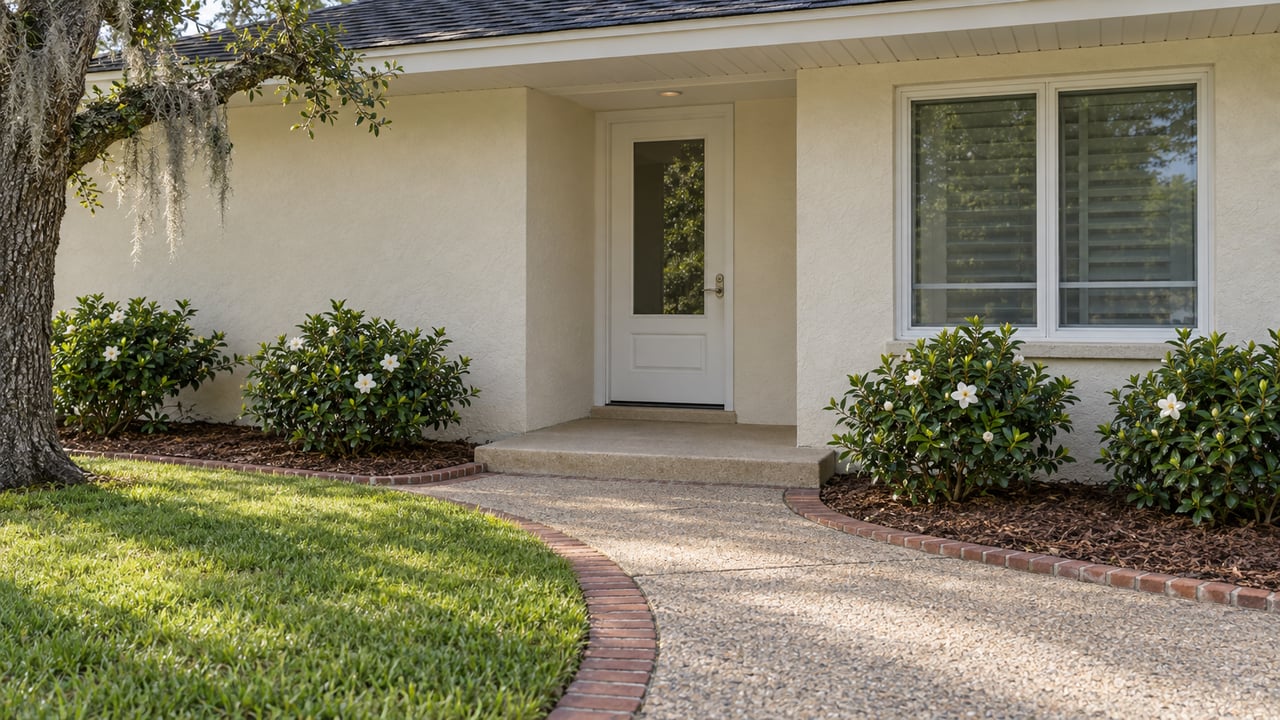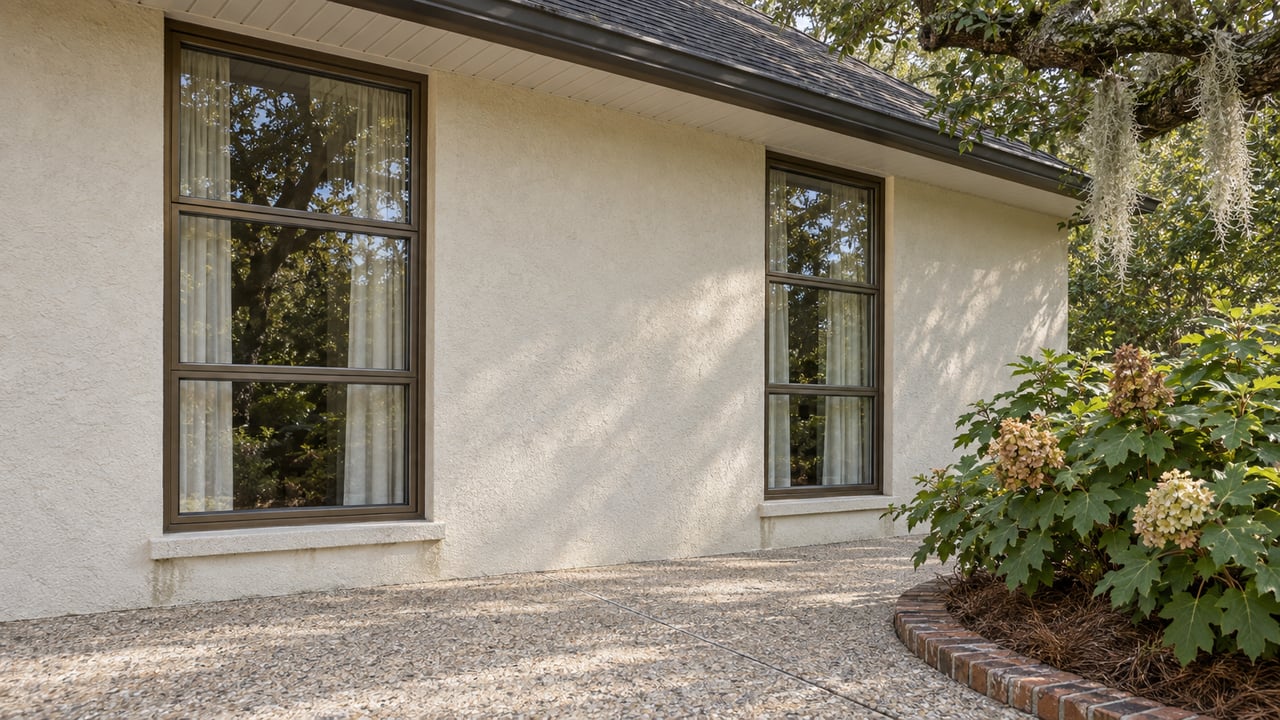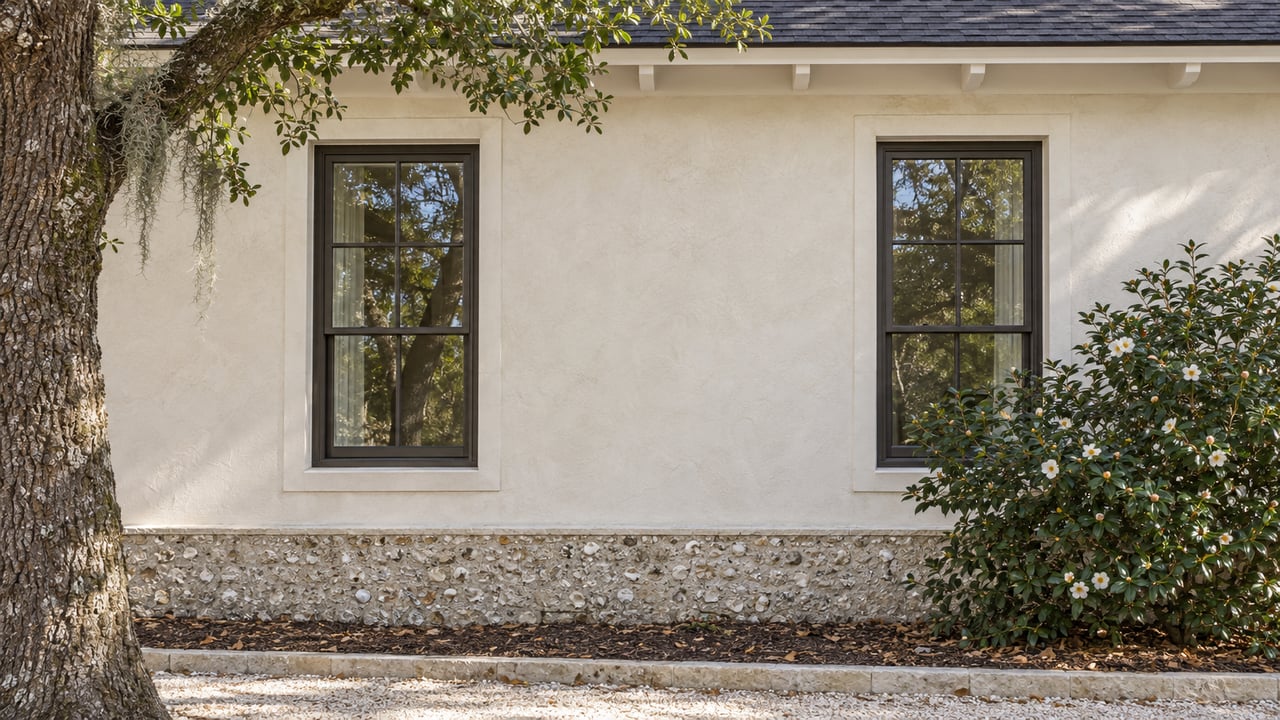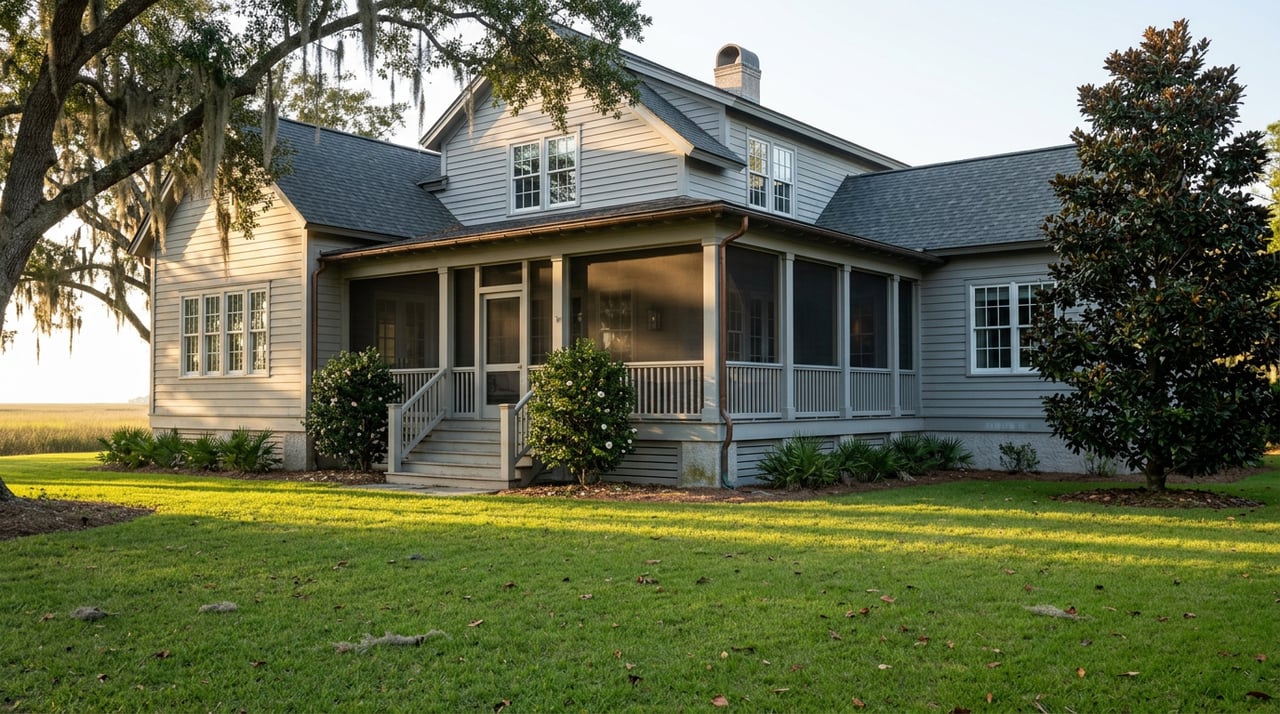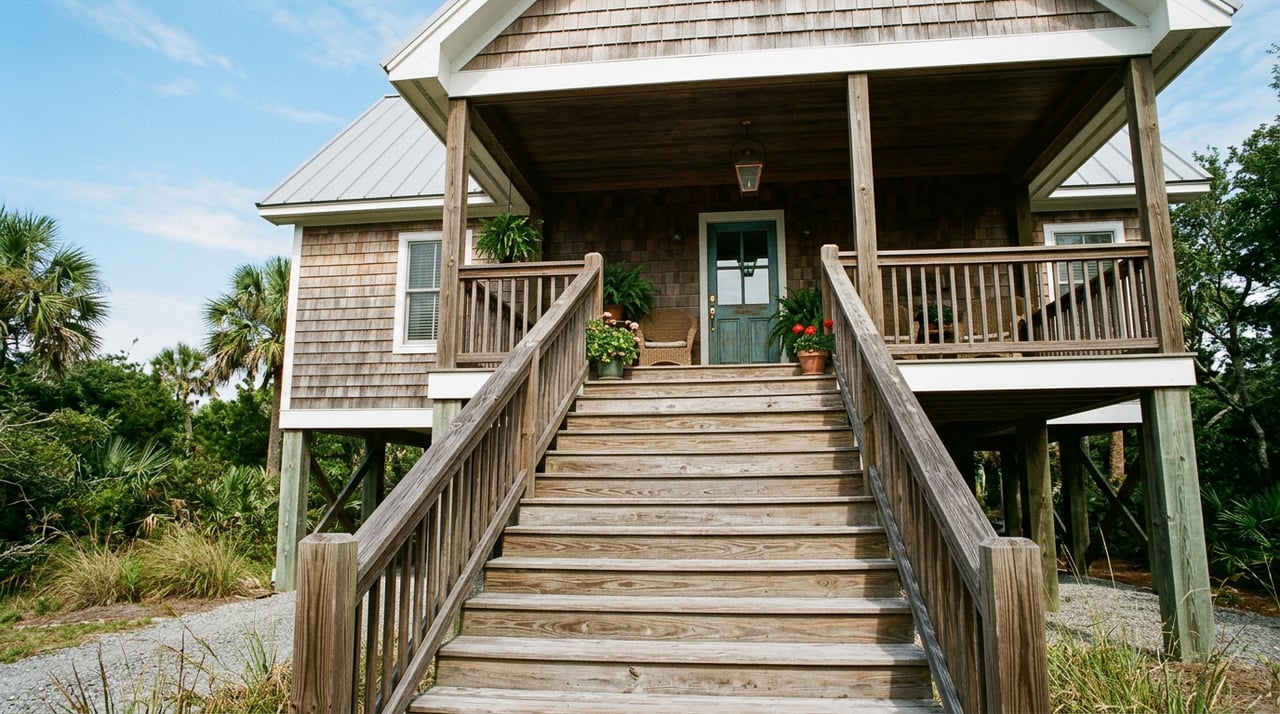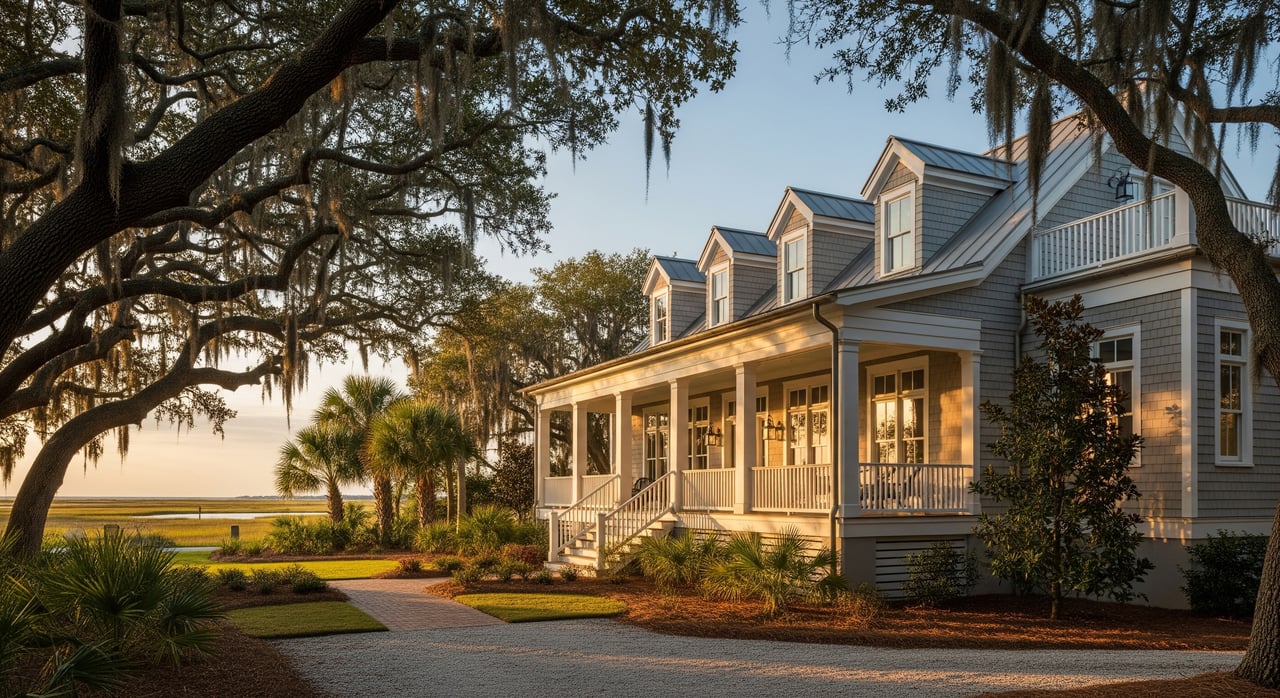
Large gray coastal house with dormer windows and a wraparound porch beneath moss-draped oak trees.

Sea Pines ARB Guidelines for Owners and Builders

January 15, 2026

Thinking about building or updating a home in Sea Pines? Before you sketch plans or call a contractor, you need to understand the Sea Pines Architectural Review Board. The ARB helps protect the community’s character, which affects what you can build, how soon you can start, and the approvals you must secure. In this guide, you’ll learn what the ARB reviews, how the process works, realistic timelines, and smart steps to keep your project moving. Let’s dive in.

Sea Pines ARB at a glance

The ARB is the community design-review body that enforces Sea Pines’ recorded covenants and design standards. It focuses on siting, architecture, exterior materials and colors, landscaping, tree protection, and visible site work. ARB approval is typically required before you apply for Beaufort County building permits or begin construction.

ARB review is separate from government permits. You may still need county building permits, state coastal approvals, or federal permits for certain shoreline work. Plan for both tracks from the start.

What the ARB reviews

The ARB evaluates design and site elements that shape overall neighborhood quality and property values. Expect review in these areas:

  • Site planning and siting, including setbacks, visibility, driveways, and drainage impacts.
  • Architecture and exterior materials, such as massing, rooflines, windows, doors, and color palette.
  • Landscaping and tree protection, including removal plans, mitigation, and screening of equipment.
  • Hardscape, pools, patios, decks, and accessory structures like sheds or pool houses.
  • Fences, walls, and gates, including location, height, and materials.
  • Lighting and exterior fixtures to manage glare and preserve dark skies.
  • Driveways, utility and service equipment, with screening for HVAC, generators, and trash areas.
  • Docks, seawalls, and shoreline work, where separate state or federal permits are often required.
  • Construction staging, erosion control, and compliance during construction.

How the ARB process works

The ARB process is structured and collaborative. Understanding each stage will help you plan your timeline.

Pre-application review

Many projects benefit from a concept meeting to confirm requirements before you prepare full drawings. This can uncover issues early and reduce resubmissions.

Full application package

A typical package includes an application form, site plan or plat with setbacks, floor plans, elevations, materials and color samples, a landscape plan, a tree survey with proposed removals, drainage and erosion control measures, contractor information, and a project schedule. The ARB usually provides a checklist to ensure completeness.

Review cycles and decisions

After an initial completeness check, your project enters the ARB review queue. Outcomes can include approval, conditional approval that requires revisions, or denial. Initial review cycles often range from 2 to 6 weeks, with additional time for revisions and any follow-up reviews.

Conditions and final approval

Approvals may include conditions, such as specific materials or tree mitigation. Final ARB approval is commonly required before you can obtain Beaufort County building permits.

Construction oversight

During construction, staff may check tree protection, staging areas, erosion control, and compliance with community rules. A completion review is often required to close out the file.

Typical time to start

From concept to final ARB approval and county permit issuance, plan for 4 to 12 weeks for modest exterior renovations. Larger projects, pools, docks, or new homes commonly take several months for ARB approval alone.

Planning tips to speed approval

A little preparation goes a long way. Use these strategies to reduce delays.

Buyer due diligence

  • Request the ARB file for the property, including past approvals or conditions that may carry forward.
  • Review CC&Rs, current ARB Guidelines, and the plat for setbacks, easements, and view corridors.
  • Ask the seller for prior as-built plans and any approvals tied to the lot.

Early coordination and documentation

  • Engage architects and landscape designers who know Sea Pines standards.
  • Order a tree survey and consider an arborist report before applying.
  • Submit a complete package the first time, including color chips and manufacturer specs.

Environmental and floodplain overlays

  • For any shoreline work or docks, plan for state and possibly federal permits and longer timelines.
  • Check FEMA flood maps and Beaufort County elevation requirements that may affect foundation design.
  • Include stormwater, erosion, and sediment control plans in your submittal.

Construction management practices

  • Align your contractor with ARB rules for staging, hours, tree protection, and site cleanliness.
  • Provide contractor and superintendent contact details to the ARB.
  • Photograph pre-construction conditions to document baselines.

Common time-savers

  • Use clear, standardized drawing scales and legible labels.
  • Provide full material and color data with manufacturer names and codes.
  • If pre-approved palettes or materials exist, select from those to shorten review.

County, state and federal permits

ARB approval does not replace government approvals. Depending on scope and location, you may also need:

  • Beaufort County Building and Zoning permits and inspections.
  • South Carolina Department of Health and Environmental Control coastal approvals for tidal or wetland impacts.
  • U.S. Army Corps of Engineers permits for work in navigable waters or wetlands.
  • Compliance with FEMA floodplain standards for buildings in Special Flood Hazard Areas.
  • Utility or drainage district approvals for work within easements.

Plan your schedule with both ARB and agency timelines in mind. Some agencies may request proof of ARB approval as part of their process.

Common reasons for delays or denials

Understanding the pitfalls helps you avoid them. The most frequent issues include:

  • Incomplete applications missing plans, surveys, samples, or contractor information.
  • Insufficient tree protection or removal of protected trees without mitigation.
  • Conflicts with easements, drainage features, or view corridors.
  • Noncompliant materials, colors, or architectural elements that do not meet standards.
  • Lack of stormwater or erosion control measures.
  • Negative impacts to neighboring properties, such as privacy, sightlines, or drainage.
  • Unpermitted shoreline work or missing state and federal approvals.
  • Construction staging that violates community rules for parking, noise, or storage.

What this means for value

Projects that align with ARB guidance typically present better and fit the community’s aesthetic. That can support curb appeal and marketability when you sell. A smooth, well-documented approval and build process also protects your timeline and budget, which helps preserve long-term value.

Next steps and local support

Before you design or close on a property, obtain the current Sea Pines ARB Guidelines and the lot-specific ARB file from the POA or ARB office. Confirm submission requirements, meeting schedules, and expected timelines. If your project touches the shoreline, coordinate early with state and federal agencies.

If you would like a tailored plan, you can lean on trusted local architects, landscape designers, and contractors who know Sea Pines standards. For introductions and a clear roadmap from concept to approval, connect with Kelly Ruhlin for a private consultation.

FAQs

Do I need Sea Pines ARB approval for interior remodels?

  • Most interior work does not require ARB approval unless it changes the exterior, footprint, or visible systems. When in doubt, confirm with the ARB office before starting.

How long does Sea Pines ARB approval typically take?

  • Initial review cycles often take 2 to 6 weeks, and complete timelines range from 4 to 12 weeks for modest projects and several months for larger builds or docks.

Can I remove trees on my Sea Pines property to improve views?

  • Tree removal is regulated and usually requires a tree survey and mitigation plan. Removal solely for views is commonly restricted and should be discussed with the ARB.

Who approves docks or seawalls in Sea Pines?

  • The ARB reviews aesthetics and placement, while state and federal agencies handle environmental permits. Coordinate with all parties early in design.

What documents are required in a Sea Pines ARB application?

  • Expect to provide an application form, site plan or plat, floor plans, elevations, materials and color samples, a landscape plan, a tree survey, drainage and erosion control plans, contractor details, and a proposed schedule.

experience the difference

When it comes to buying or selling a home, it takes more than listings and offers — it takes a trusted partner who understands your unique goals. With Kelly Ruhlin, you’ll receive expert market insight, personalized advice, and a seamless experience from start to finish.